

Prescribed burns are for more than just clearing out debris.
The full release below is from the Arkansas Game and Fish Commission:
The rejuvenating effects of prescribed, controlled fire are critical to the management of wildlife habitat and native plant species, though its use is often misunderstood.
“The Southeast has a long history of naturally and culturally applied fire,” said Emily Roberts, statewide fire program coordinator for the AGFC. “Arkansans are rekindling this fire history by applying prescribed fire to meet a lot of different objectives ranging from fuel reduction to wildlife habitat.”
Roberts said prescribed fire provides benefits beyond debris removal. By clearing leaf litter and grass thatch, sunlight can reach the soil, stimulating native grasses and wildflowers and helping restore rare habitats such as glades and prairies by removing invasive vegetation.
Prescribed burns require extensive preparation, including firebreaks and detailed burn plans that account for temperature, humidity, wind speed and direction, vegetation type and topography. Historically, about 70 percent of AGFC burn acreage was completed between February and April, but some burns are shifting to summer and fall to better reflect natural lightning-caused fires. Other maintenance burns are moving to winter months to reduce impacts on early flowering plants.
Limited weather windows and manpower often require burn priorities to change from year to year. Roberts said prairies and open savannas typically need fire every two to three years, while woodland systems are usually burned every three to five years.
Managing turkey habitat may occasionally require burns in April or May. However, managers prioritize areas not recently burned and avoid high-quality nesting habitat, while also considering burn unit size and nearby refuge areas.
AGFC turkey program coordinator David Moscicki said research shows prescribed fire does not cause turkey nest failures and emphasized that habitat quality is essential for poult survival.
Over the past five years, the AGFC and its partners have burned 18,000 to 30,000 acres annually-less than 8 percent of AGFC-managed land-relying on public and private partnerships to expand habitat management statewide.




 Branson Entertainers Facing Charges Turn Themselves In
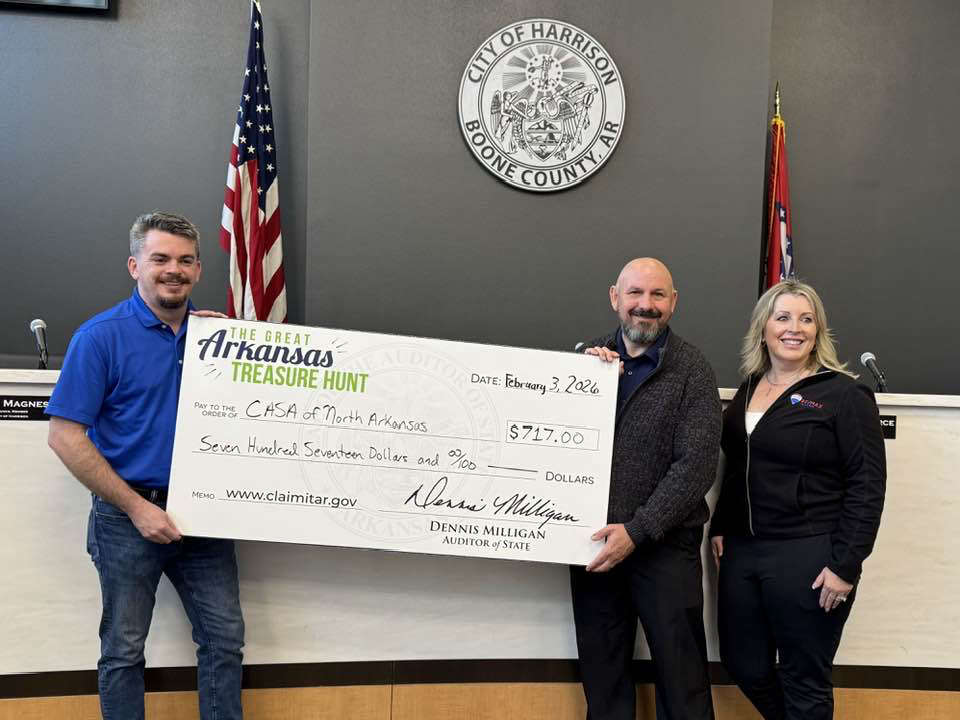 CASA Gets Money from "The Great Arkansas Treasure Hunt"
 Yellville Woman Faces Charges for Defrauding Elderly Person